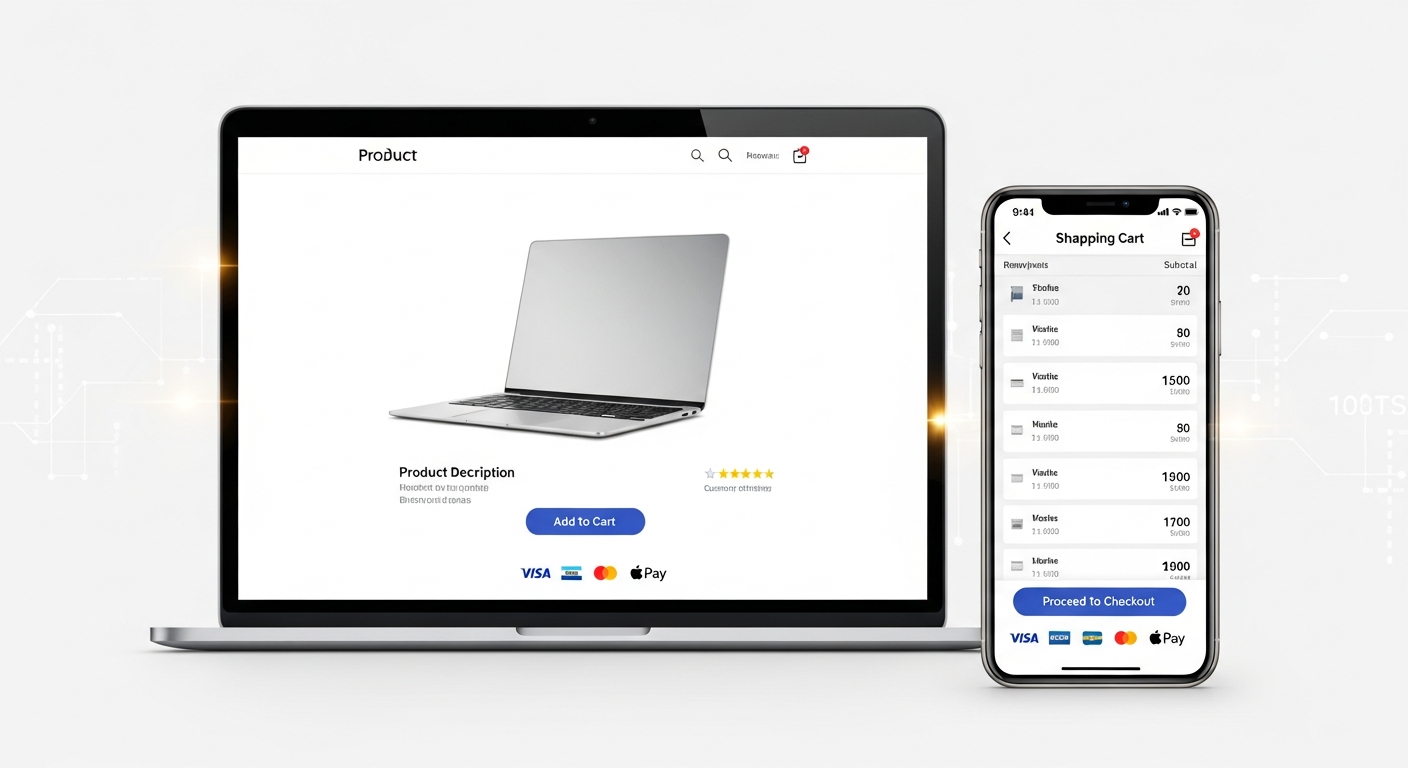
Everything you need to know about building a successful online store that converts visitors into customers.
The E-Commerce Opportunity
E-commerce has transformed retail, creating opportunities for businesses of all sizes to reach customers globally. Whether you're launching a new online store or expanding an existing business, building an effective e-commerce website requires careful planning and execution. The right approach sets the foundation for sustainable growth, while missteps can be costly and difficult to correct.
The e-commerce landscape has matured significantly, with customer expectations rising continuously. Shoppers expect intuitive navigation, fast loading, mobile-friendly experiences, and seamless checkout processes. Meeting these expectations requires understanding both the technical and strategic aspects of e-commerce development.
Choosing Your E-Commerce Platform
Platform Options
Selecting the right platform is one of the most important decisions in e-commerce development. Major options include:
- Shopify: Ideal for small to medium businesses seeking ease of use and quick launch
- WooCommerce: Flexible WordPress-based solution offering extensive customization
- Magento: Enterprise-grade platform for larger operations with complex requirements
- BigCommerce: Scalable SaaS solution with built-in features and growing flexibility
- Custom Development: Maximum flexibility for unique requirements and integration needs
Evaluation Criteria
Consider these factors when selecting your platform:
- Scalability to handle growth in products, traffic, and transactions
- Total cost including hosting, themes, apps, and transaction fees
- Ease of use for daily operations like adding products and processing orders
- Integration capabilities with your existing systems and third-party tools
- SEO features that impact your ability to attract organic traffic
- Security compliance for protecting customer data and payments
Essential E-Commerce Features
Product Management
Effective product presentation drives sales and reduces returns. Implement robust product management capabilities including high-quality images from multiple angles, detailed descriptions that answer customer questions, variant handling for sizes, colors, and other options, inventory tracking to prevent overselling, and category organization that helps customers find products.
Shopping Cart and Checkout
The checkout process directly impacts conversion rates. Optimize for conversion with guest checkout options that don't force account creation, progress indicators showing checkout steps, multiple payment options including credit cards, PayPal, and buy-now-pay-later services, address validation and auto-fill to reduce errors, and clear shipping costs and delivery estimates before final confirmation.
Mobile Optimization
Mobile commerce represents a majority of e-commerce traffic for many businesses. Ensure your site provides excellent mobile experience with touch-friendly navigation and buttons, fast loading on mobile networks, easy product browsing and filtering, simplified mobile checkout, and proper display of product images and information on smaller screens.
Search and Navigation
Help customers find products quickly through intuitive category structures, powerful search with filters and sorting options, breadcrumb navigation showing location in site hierarchy, related product recommendations, and recently viewed products for easy return to items of interest.
Security and Trust
Payment Security
Protect customer payment information through PCI-DSS compliance for credit card processing, SSL certificates encrypting all data in transit, secure payment gateways handling sensitive data, and fraud detection systems identifying suspicious transactions.
Building Trust
Online shoppers need reassurance before purchasing from unfamiliar stores. Build trust with clear contact information including phone numbers and addresses, visible security badges and trust seals, transparent return and refund policies, customer reviews and testimonials, and professional design that signals legitimacy.
Marketing Integration
SEO Fundamentals
Optimize your store for search engines through unique, descriptive product titles and descriptions, clean URL structures that include relevant keywords, proper use of heading tags for content hierarchy, image optimization with descriptive alt text, and schema markup for rich product snippets in search results.
Marketing Tools
Integrate essential marketing capabilities including email marketing with abandoned cart recovery, social media integration for sharing and social proof, analytics tracking to understand customer behavior, remarketing pixels for targeted advertising, and discount and promotion management to drive sales.
Fulfillment and Operations
Order Management
Efficient order processing keeps customers happy through streamlined order processing workflows, automatic inventory updates as orders are placed, shipping carrier integration for label generation and tracking, order status notifications keeping customers informed, and returns management that handles inevitable return requests smoothly.
Customer Service
Support customers throughout their journey with live chat for immediate assistance, comprehensive FAQ and help content, easy order tracking for customers, clear communication about shipping and delivery, and responsive support for issues and questions.
Launch and Beyond
Pre-Launch Checklist
Before launching, verify all payment processing functions correctly, test the complete purchase flow with real transactions, ensure mobile experience meets quality standards, review all product information for accuracy, and confirm shipping calculations and tax handling work properly.
Ongoing Optimization
E-commerce success requires continuous improvement through analyzing user behavior to identify friction points, A/B testing changes to improve conversion, gathering and acting on customer feedback, monitoring site performance and security, and expanding product offerings based on demand patterns.
Conclusion
Building a successful e-commerce website requires attention to platform selection, user experience, security, and ongoing optimization. By focusing on customer needs and continuously improving based on data, you can create an online store that drives sustainable growth and builds lasting customer relationships. The investment in doing e-commerce right pays dividends through higher conversion rates, repeat customers, and a platform that scales with your business.