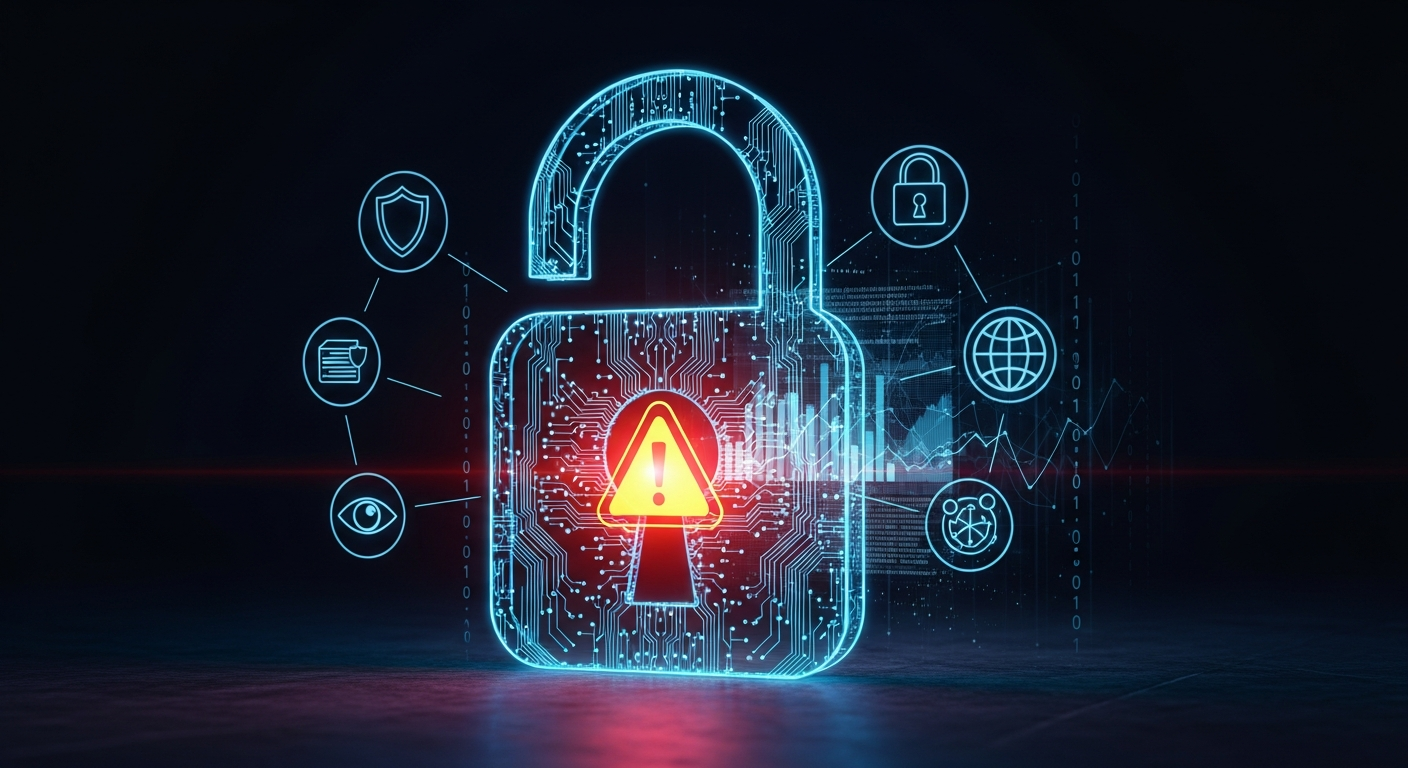
A practical guide to implementing fundamental security measures that protect your small business.
Cybersecurity for Small Businesses
Small businesses face significant cybersecurity threats but often lack dedicated security staff and substantial security budgets. Attackers increasingly target small businesses precisely because they tend to have weaker defenses than enterprises while still possessing valuable data and financial resources. This practical checklist provides essential security measures that small businesses can implement without requiring specialized expertise or massive investments.
The good news is that implementing basic security controls stops the majority of attacks. Most successful breaches exploit fundamental weaknesses rather than sophisticated vulnerabilities. By addressing the basics systematically, small businesses can dramatically reduce their risk profile.
Access Control
Password Policies
- Require strong passwords of at least 12 characters with mixed character types
- Prohibit password reuse across accounts and systems
- Implement password managers to enable unique passwords without memorization burden
- Change default passwords on all systems, devices, and applications immediately upon deployment
Multi-Factor Authentication
- Enable MFA on all accounts that support it, prioritizing email and financial systems
- Use authenticator apps rather than SMS codes when possible for stronger protection
- Consider hardware security keys for administrative accounts and high-value targets
- Ensure backup authentication methods exist to prevent lockouts
Account Management
- Remove access promptly when employees leave or change roles
- Apply principle of least privilege, granting only necessary access for each role
- Review access rights regularly to catch accumulated unnecessary permissions
- Separate administrative accounts from daily-use accounts
Data Protection
Backup Strategy
- Implement automated backups of all critical business data
- Store backups separately from production systems, ideally offsite or in the cloud
- Test restoration regularly to verify backups actually work when needed
- Encrypt backup data to protect against theft of backup media
- Maintain backup retention appropriate for compliance and recovery needs
Encryption
- Encrypt sensitive data at rest on servers, workstations, and mobile devices
- Use HTTPS for all web traffic to protect data in transit
- Encrypt email containing sensitive information
- Enable full-disk encryption on laptops and mobile devices that could be lost or stolen
Network Security
Firewall Protection
- Implement firewall protection at the network perimeter
- Enable host-based firewalls on individual devices
- Review and update firewall rules regularly to remove unnecessary access
- Segment networks to limit lateral movement if breaches occur
Wireless Security
- Use strong encryption (WPA3 where supported, WPA2 at minimum) for wireless networks
- Change default network names and administrator passwords
- Create separate guest networks that cannot access business systems
- Disable WPS and other convenient but insecure features
Endpoint Protection
Anti-Malware
- Install reputable anti-malware software on all endpoints
- Enable automatic updates and real-time scanning
- Schedule regular full-system scans to catch threats that evaded real-time protection
- Consider endpoint detection and response (EDR) for enhanced protection
Patch Management
- Enable automatic updates for operating systems and common applications
- Prioritize critical security patches for immediate deployment
- Maintain inventory of software to ensure nothing is missed
- Replace end-of-life software that no longer receives security updates
Human Factors
Security Training
- Provide security awareness training for all employees upon hire and regularly thereafter
- Cover phishing recognition, password practices, and safe browsing habits
- Conduct simulated phishing exercises to reinforce training
- Create a culture where reporting suspicious activity is encouraged
Policies and Procedures
- Document acceptable use policies that employees acknowledge
- Establish incident response procedures before incidents occur
- Define procedures for handling sensitive data
- Create clear reporting channels for security concerns
Vendor Management
- Evaluate security practices of vendors with access to your data
- Require appropriate security measures in contracts
- Limit vendor access to only necessary systems and data
- Monitor vendor access and revoke when no longer needed
Physical Security
- Secure server rooms and network equipment from unauthorized access
- Use cable locks for laptops in shared spaces
- Implement clean desk policies for sensitive information
- Shred documents containing sensitive information before disposal
Ongoing Maintenance
Regular Reviews
- Schedule quarterly security reviews to assess current posture
- Update security measures as threats and technology evolve
- Review access rights and remove unnecessary permissions
- Test backup restoration and incident response procedures
Conclusion
Implementing these security fundamentals significantly reduces small business vulnerability to common attacks. Start with the highest-impact areas: multi-factor authentication, reliable backups, and employee training. Build systematically from there, treating security as an ongoing process rather than a one-time project. The investment in basic security controls prevents the far greater costs of breach recovery, regulatory penalties, and reputation damage.