Explore the visual design trends shaping branding and marketing in 2025.
The Visual Landscape
Graphic design continues to evolve as technology advances and cultural preferences shift. Understanding current trends helps businesses create visuals that resonate with audiences while maintaining timeless appeal. The most effective designs balance contemporary aesthetics with fundamental principles that transcend trends. This balance ensures designs feel current without becoming dated as trends evolve.
The design world in 2025 reflects broader cultural movements toward authenticity, sustainability, and inclusivity. These values influence aesthetic choices, from color palettes to imagery to typography. Designs that align with these values connect more deeply with modern audiences.
Dominant Visual Trends
Nostalgic Design Elements
Retro aesthetics from the 1970s through 1990s continue to influence modern design, adapted with contemporary sensibilities. This includes warm, muted color palettes reminiscent of earlier decades, serif fonts that evoke traditional craftsmanship, grainy textures and analog effects that add warmth, and vintage illustration styles updated for modern contexts.
Nostalgia works because it creates emotional connections with viewers while standing out against sleek, minimalist digital aesthetics that have dominated recent years. The key is selective incorporation rather than wholesale recreation of past styles.
Bold Typography
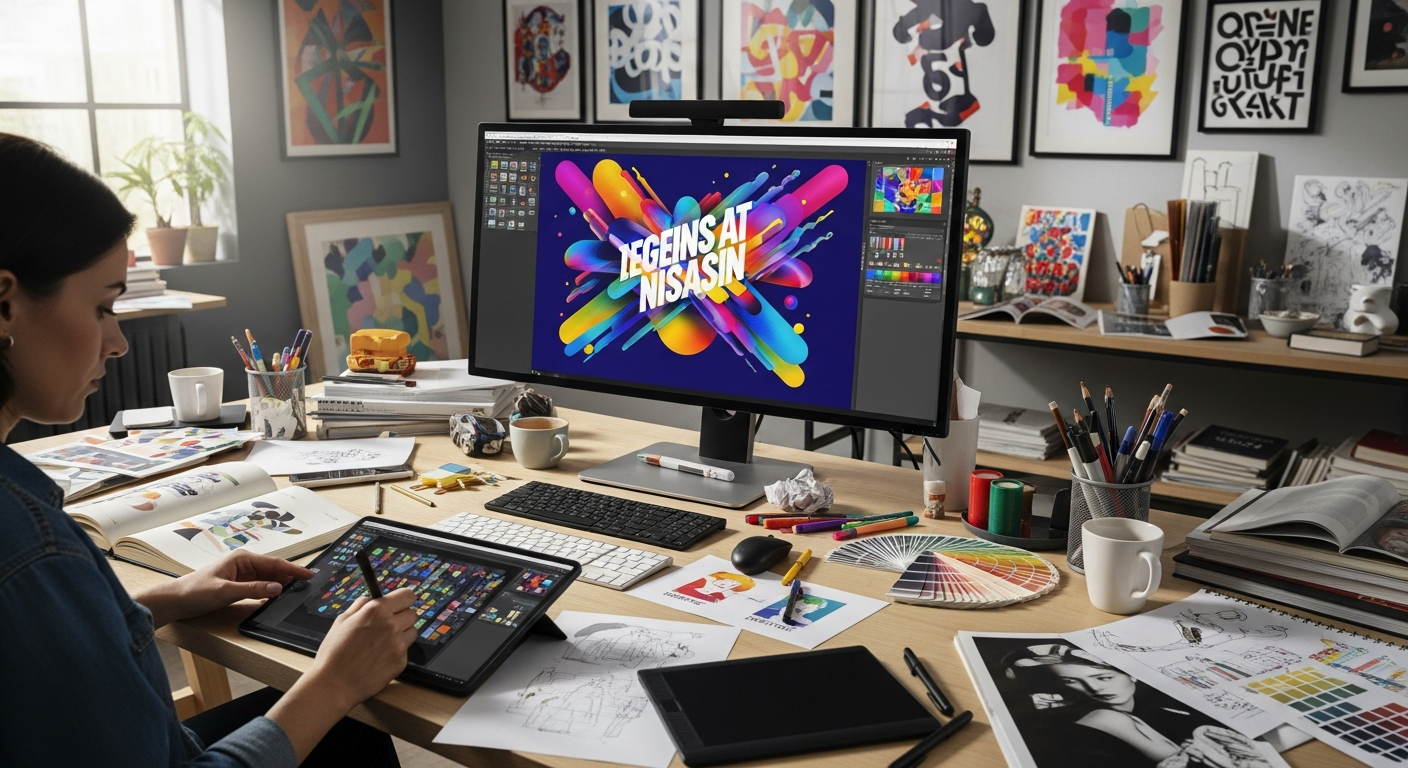
Typography takes center stage as a primary design element rather than just a content carrier. Large, expressive typefaces communicate personality and capture attention. Variable fonts enable creative animation and responsive design. Custom typography creates unique brand identities that cannot be replicated with standard fonts.
Maximalism Revival
While minimalism remains relevant, maximalist approaches are gaining ground. Rich, layered compositions with multiple elements create visual interest. Bold color combinations that break traditional rules draw attention. Mixed media combining photography, illustration, and typography in unexpected ways creates distinctive visuals.
Authentic Photography
Stock photography fatigue has driven demand for authentic, imperfect imagery that feels genuine rather than staged. This includes real people in natural settings rather than obviously staged scenes, imperfect moments that capture genuine emotion, diverse representation reflecting actual audiences, and documentary-style imagery that tells stories.
Color Trends
Earthy and Natural Palettes
Colors inspired by nature dominate, reflecting growing environmental consciousness. Terracotta, sage green, and warm neutrals create organic, grounded aesthetics. These colors work across industries from fashion to technology to finance, providing versatility while maintaining contemporary appeal.
High Contrast Combinations
Bold color pairings create visual impact in crowded digital environments. Complementary colors used at full saturation demand attention. These combinations work particularly well for brands seeking to stand out in social media and digital advertising contexts.
Gradient Evolution
Gradients continue evolving beyond simple two-color fades. Complex gradients with multiple colors and directions create depth. Mesh gradients produce organic, flowing effects. Subtle gradients add dimension to otherwise flat designs without overwhelming other elements.
Digital-Specific Trends
Motion and Animation
Static designs increasingly incorporate movement for digital contexts. Micro-animations enhance user interfaces and draw attention to key elements. Animated logos adapt brands for video and social media. Motion graphics communicate complex information engagingly.
3D and Immersive Elements
Improved tools and increased device capabilities enable more sophisticated 3D integration. Dimensional graphics add depth to web experiences. AR and VR integration creates new design possibilities. Realistic materials and lighting bring digital objects to life.
Accessibility-First Design
Inclusive design has moved from consideration to requirement. Sufficient color contrast ensures readability for all users. Clear typography serves readers with visual impairments. Alternative text and semantic structure support assistive technologies. Designs consider diverse user needs from the start rather than as an afterthought.
Brand Application
Flexible Brand Systems
Modern brand identities must work across ever-expanding touchpoints. Responsive logos adapt to different sizes and contexts. Variable elements maintain consistency while allowing appropriate variation. Design systems enable brand expression across teams and platforms.
Purpose-Driven Aesthetics
Visual choices increasingly reflect brand values and purpose. Sustainable brands use earthy, organic aesthetics. Innovation-focused companies embrace bold, experimental visuals. Community-oriented organizations feature inclusive, warm imagery. The visual language communicates values beyond explicit messaging.
Applying Trends Wisely
Balance Trend and Timelessness
Trend-driven designs risk feeling dated quickly. Core brand elements should maintain longevity while accent elements can incorporate current trends. This approach keeps brands fresh without requiring frequent major redesigns.
Prioritize Function
Visual trends should enhance rather than hinder communication. Ensure designs remain functional and accessible regardless of stylistic choices. The most beautiful design fails if it does not effectively communicate its intended message.
Conclusion
Graphic design trends in 2025 reflect a desire for authenticity, connection, and expression. By understanding these trends while maintaining focus on fundamental design principles and brand objectives, designers create work that feels current while serving strategic purposes. The best designs draw from trends selectively, using them to enhance communication rather than substituting style for substance.