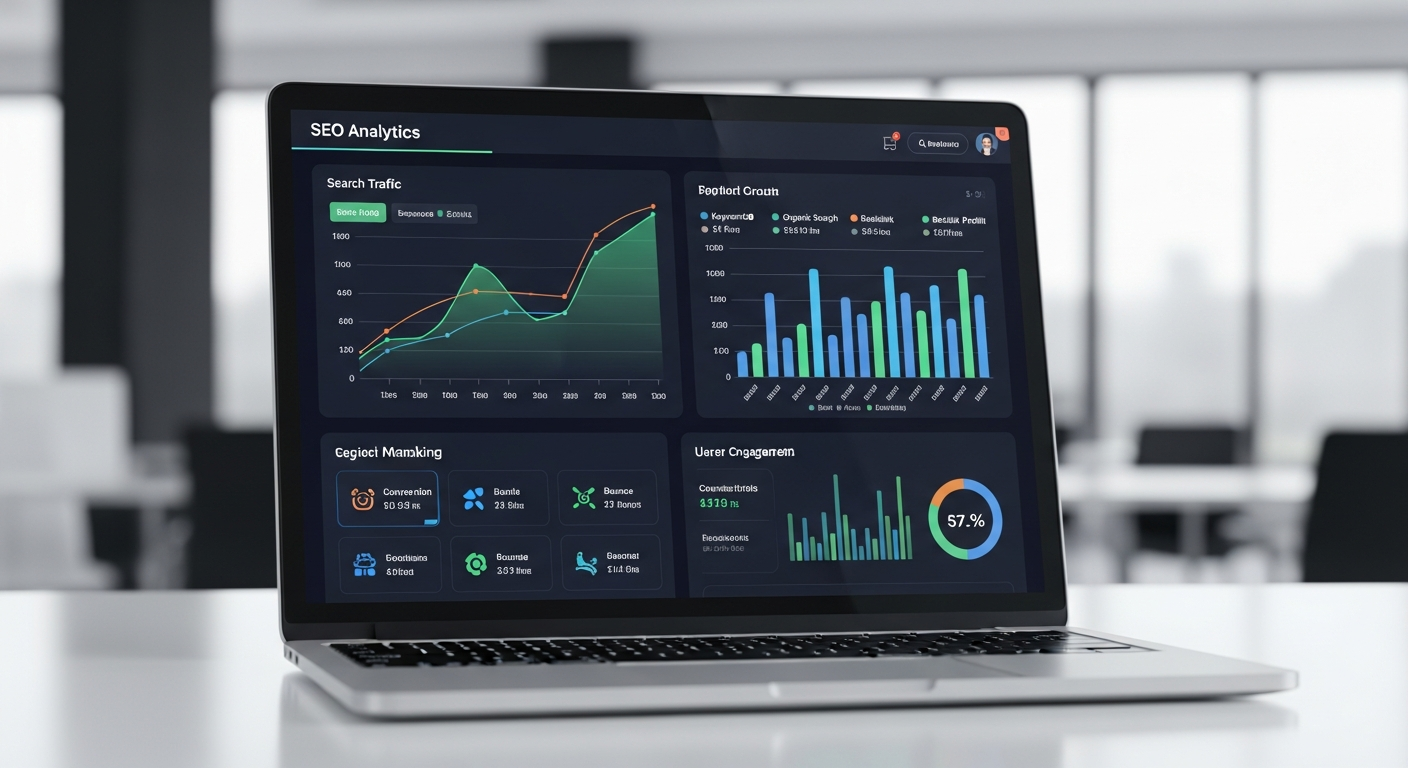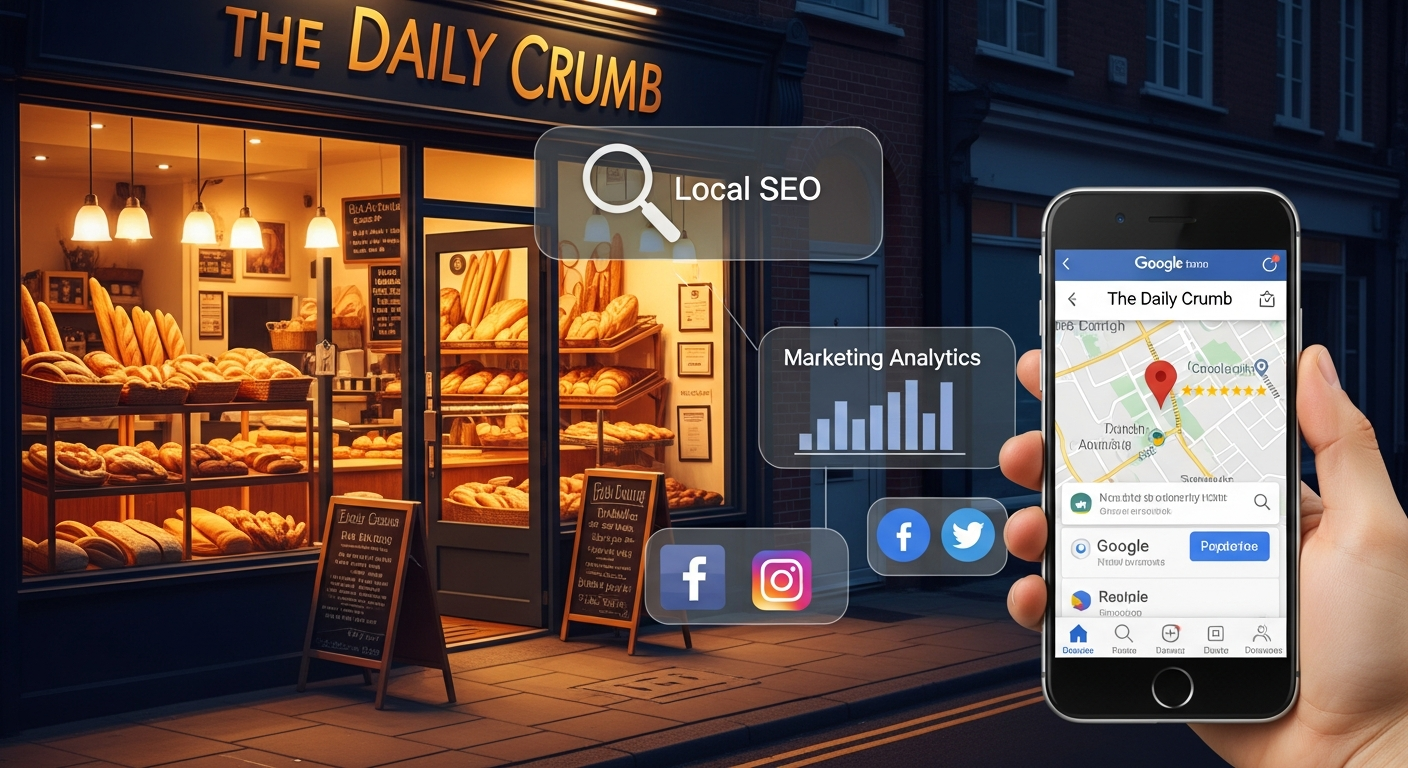
For businesses serving local customers, appearing in local search results is essential. Master local SEO with these proven strategies.
The Importance of Local Search
Nearly half of all Google searches have local intent, and this percentage is even higher on mobile devices. When someone searches for a plumber, restaurant, dentist, or any local service, they want results near their location and are often ready to make a purchase decision. Businesses that optimize for local search capture customers actively looking for their services at the moment of need. Ignoring local SEO means losing business to competitors who understand how to show up when and where customers are searching.
Local search has become even more critical as consumer behavior has shifted toward "near me" searches and same-day purchasing decisions. The customer who searches "coffee shop near me" is not conducting research for a future decision; they want coffee now and will visit one of the first results they see. Being visible in these moments directly translates to foot traffic and revenue.
Google Business Profile Optimization
Your Google Business Profile (formerly Google My Business) is the foundation of local SEO. This free listing appears in Google Search and Maps, providing essential information to potential customers before they even visit your website. For many local searches, the GBP listing receives more visibility and clicks than organic website results.
Complete Every Section
Fill out your profile completely and accurately. Include:
- Accurate business name matching your real-world signage exactly
- Precise address with any suite or unit numbers customers need to find you
- Phone number with local area code that customers can click to call
- Website URL linking to the most relevant page
- Business hours including special hours for holidays and events
- Business categories, both primary and secondary, that accurately describe what you offer
- Services and products you offer with descriptions and pricing where appropriate
- Business description with relevant keywords woven naturally into compelling copy
- Attributes that describe your business like "women-owned" or "wheelchair accessible"
Add Quality Photos
Businesses with photos receive significantly more clicks, direction requests, and calls than those without. Add professional images of your storefront, interior, team, products, and work examples. Update photos regularly to show an active, current business. Customer-submitted photos also add credibility and variety to your visual presence.
Collect and Respond to Reviews
Reviews significantly impact both local rankings and customer decisions. Star ratings appear prominently in search results and influence click-through rates. Encourage satisfied customers to leave reviews through follow-up emails, in-store signage, or direct requests after positive interactions.
Respond to all reviews, positive and negative, professionally and promptly. Thank positive reviewers specifically for what they mentioned. Address concerns raised in negative reviews constructively and offer to resolve issues. Your responses show potential customers how you handle feedback and problems.
NAP Consistency
NAP stands for Name, Address, and Phone number. These details must be identical everywhere they appear online. Inconsistencies confuse search engines about which information is correct and undermine trust in your business information. Even small variations like "St." versus "Street" can cause problems.
Audit Your Citations
Search for your business name and check listings on:
- Business directories like Yelp, Yellow Pages, and industry-specific sites
- Social media profiles across all platforms you have claimed
- Chamber of commerce and professional association listings
- Your own website footer, contact page, and about page
- Any location-specific pages if you have multiple locations
Correct any variations in how your business information appears. Tools like BrightLocal or Moz Local can help identify and fix inconsistencies at scale.
Website Optimization for Local Search
Include Location Information
Your website should clearly indicate where you operate. Include city and region names in page titles, headings, and content where natural. Create dedicated pages for each location if you serve multiple areas, with unique content about each location rather than duplicate pages with only the city name changed.
Add Local Schema Markup
Schema markup helps search engines understand your business information in a structured format. Implement LocalBusiness schema including address, phone, hours, geographic coordinates, and accepted payment methods. This structured data can enable rich results that make your listing more attractive in search results.
Create Location-Specific Content
Develop content relevant to your local area that naturally attracts local visitors and links. Write about local events you are participating in, partnerships with nearby businesses, guides specific to your community, or local news relevant to your industry. This demonstrates local relevance and attracts backlinks from local sources.
Optimize for Mobile
Most local searches happen on mobile devices from people out in the world looking for nearby businesses. Ensure your website provides excellent mobile experience with fast loading, easy navigation, click-to-call buttons, and mobile-friendly contact forms. A frustrating mobile experience loses customers to competitors with better mobile sites.
Build Local Links and Citations
Get Listed in Local Directories
Submit your business to relevant local directories, industry associations, and the local chamber of commerce. Quality matters more than quantity; focus on reputable sites that actual customers might use. Many directories offer free basic listings with paid upgrades for enhanced visibility.
Earn Local Press Coverage
Local news sites and blogs provide valuable links and exposure. Participate in community events, sponsor local causes, or share newsworthy business developments to attract coverage. Developing relationships with local journalists and bloggers can lead to ongoing coverage opportunities.
Partner with Local Businesses
Collaborate with complementary local businesses on content, events, and mutual recommendations. Guest posts on local business blogs, joint promotions, and shared resources build relationships and generate relevant local links that search engines value.
Monitor and Improve
Track Your Rankings
Use tools like BrightLocal or Whitespark to monitor local rankings for important keywords in your target locations. Track positions over time to understand what improvements are working and identify opportunities for additional optimization.
Monitor Competitor Activity
Analyze what competitors do well in local search and identify gaps in their strategy that you can exploit. If competitors are earning reviews faster or have more complete profiles, prioritize those areas in your own efforts.
Respond to Changes
Local SEO requires ongoing attention. Google updates ranking factors, competitors improve their optimization, and customer expectations evolve. Regularly review and refine your local SEO strategy to maintain and improve your positions.
Conclusion
Local SEO delivers highly qualified customers who are actively seeking your services and ready to buy. Start with a complete, optimized Google Business Profile that provides everything customers need to choose you. Ensure NAP consistency across the web to build trust with search engines. Create locally relevant content and build local relationships that demonstrate your community connection. The businesses that master local search dominate their markets and capture customers that competitors never even see.