Cut through the noise with proven SEO strategies that deliver real results for your business website.
The Evolving SEO Landscape
Search engine optimization continues to evolve as search engines become smarter and user expectations rise. What worked five years ago may not be effective today, and tactics that once delivered results can now harm your rankings. Google's algorithms have grown increasingly sophisticated at understanding content quality, user intent, and overall website experience. Here are the strategies that deliver sustainable results in 2025 and beyond.
The fundamental shift in SEO has been from manipulation to genuine value creation. Search engines have become remarkably good at identifying content created primarily to rank rather than to help users. Success now requires creating content and experiences that users genuinely find valuable, with technical optimization ensuring search engines can discover and understand that value.
Focus on User Experience
Google's algorithms increasingly prioritize user experience signals that indicate whether visitors actually find your content useful. Core Web Vitals, measuring loading speed, interactivity, and visual stability, directly impact rankings. Ensure your website is fast, responsive, and provides a smooth experience across all devices. Users who bounce quickly send negative signals, while those who engage deeply indicate quality content.
User experience extends beyond technical performance. Navigation should be intuitive. Content should be easy to read and well-organized. Mobile experience deserves equal attention to desktop. Every friction point that frustrates users also impacts your search performance.
Content Strategies That Work
1. Create Comprehensive Content
Depth matters more than length in modern SEO. Create content that thoroughly answers user questions and provides genuine value rather than padding word counts with filler. Cover topics comprehensively, including related subtopics users might want to explore, and anticipate follow-up questions they might have.
Comprehensive content demonstrates expertise and provides users with everything they need in one place. This leads to better engagement metrics, more backlinks, and improved rankings. However, comprehensive does not mean exhaustive; know when to link to other resources rather than covering every tangential topic.
2. Optimize for Search Intent
Understanding why someone is searching is crucial for ranking and conversion. Match your content to user intent by analyzing what types of results currently rank for your target keywords:
- Informational: Educational content, guides, how-tos, and explanations for users seeking to understand something
- Navigational: Brand and product pages for users looking for a specific website or company
- Commercial: Comparisons, reviews, and "best of" lists for users researching options before purchasing
- Transactional: Product pages, pricing, and purchase information for users ready to buy
Content that mismatches intent rarely ranks well regardless of other optimization. Study the search results for your target keywords to understand what type of content Google believes users want.
3. Leverage Topic Clusters
Organize content around pillar pages supported by related cluster content that explores subtopics in depth. This demonstrates expertise and helps search engines understand your site's topical authority. Internal linking between cluster content reinforces relationships and distributes authority throughout your content ecosystem.
Topic clusters also improve user experience by providing clear navigation paths through related content. Users can explore topics at their desired depth, finding answers to related questions without leaving your site.
4. Update Existing Content
Refreshing older content often yields better results than creating new pages from scratch. Update statistics, add new sections covering recent developments, and improve outdated information to maintain rankings. Content that was once comprehensive may have gaps as topics evolve. Regular updates signal freshness and keep content accurate.
Technical SEO Essentials
Mobile-First Optimization
Google predominantly uses mobile versions for indexing, meaning your mobile site determines your rankings even for desktop searches. Ensure your site works flawlessly on mobile devices with responsive design, touch-friendly navigation, and fast loading times. Test on actual mobile devices, not just browser simulations, to catch real-world issues.
Structured Data Markup
Schema markup helps search engines understand your content and can generate rich results that attract more clicks. Implement structured data for articles, products, FAQs, business information, and other relevant content types. Rich results like star ratings, prices, and FAQ dropdowns make your listings more prominent in search results.
Site Architecture
A logical site structure helps both users and search engines navigate your content effectively. Keep important pages within three clicks of the homepage and use clear, descriptive URLs. Create a clear hierarchy from broad category pages to specific detail pages. Use internal links to guide both users and crawlers through your content.
Building Authority
Quality Backlinks
Links from reputable websites remain a powerful ranking factor, signaling to search engines that your content is valuable and trustworthy. Focus on creating link-worthy content and building genuine relationships within your industry. Avoid manipulative link building tactics that can result in penalties. Earn links through content quality, research, and genuine contributions to your field.
E-E-A-T Signals
Experience, Expertise, Authoritativeness, and Trustworthiness matter, especially for YMYL (Your Money or Your Life) topics that affect health, finances, or safety. Showcase credentials, cite authoritative sources, and demonstrate real expertise. Author bios, credentials, and clear information about who creates your content help establish trust.
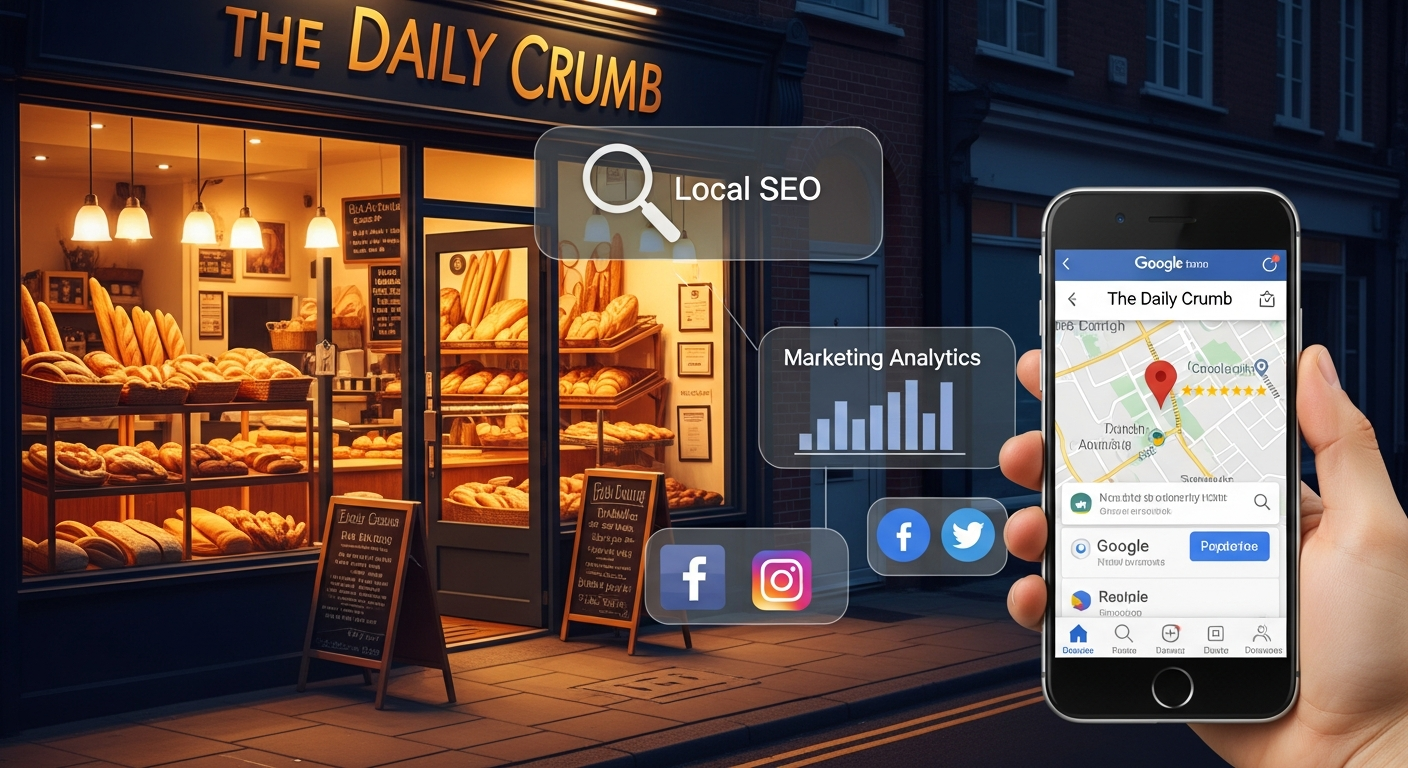
Local SEO for Businesses
For businesses serving local areas, local search optimization is essential:
- Optimize and maintain your Google Business Profile with complete, accurate information
- Ensure consistent NAP (Name, Address, Phone) across all listings and directories
- Encourage and professionally respond to customer reviews
- Create location-specific content that demonstrates local expertise and relevance
- Build relationships with other local businesses and organizations
Conclusion
Effective SEO requires a holistic approach combining technical optimization, quality content, and authority building. Focus on providing genuine value to users rather than trying to manipulate rankings, and sustainable results will follow. Search engines continue to improve at understanding quality and relevance, making user-focused strategies more important than ever. The websites that succeed are those that genuinely deserve to rank.